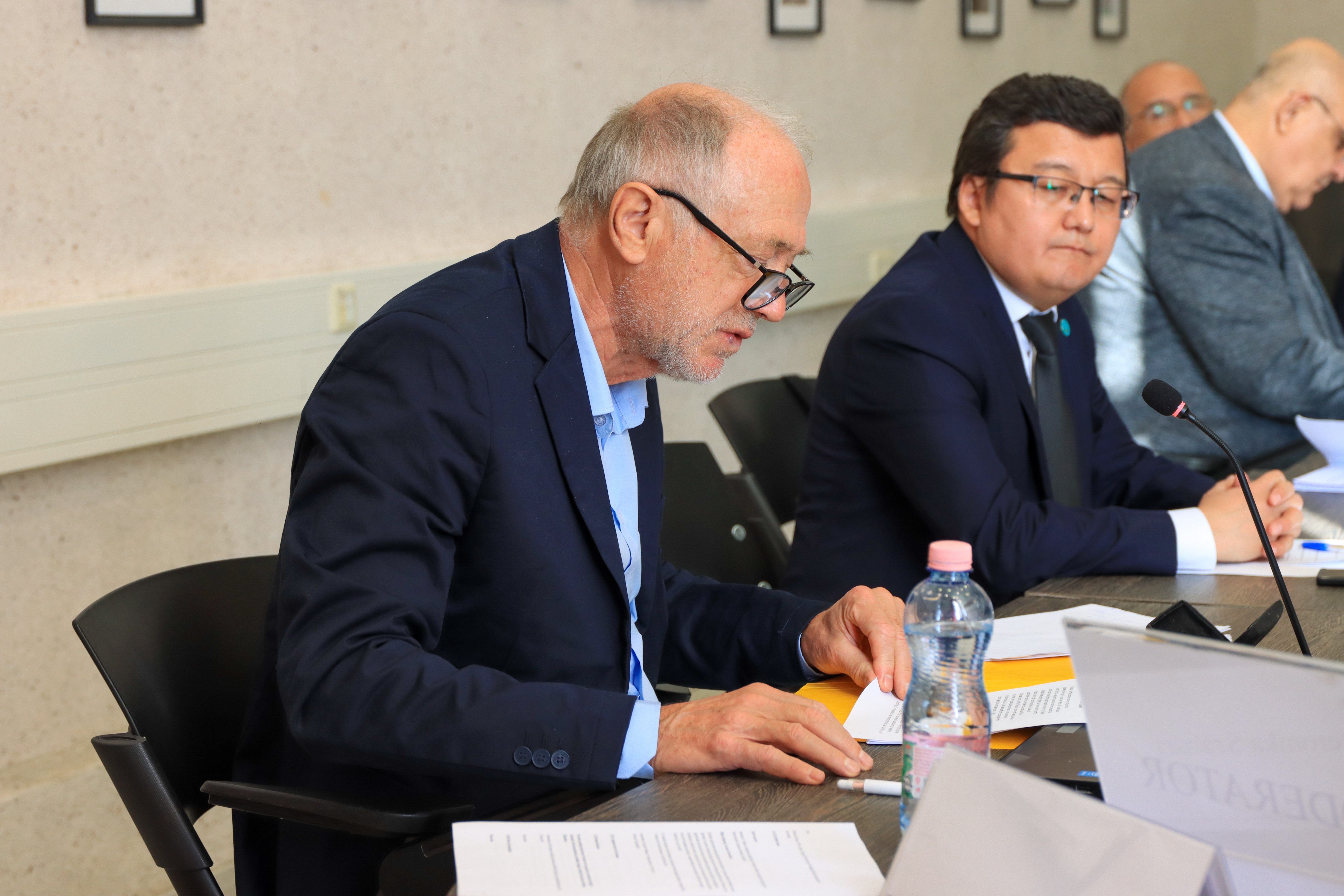
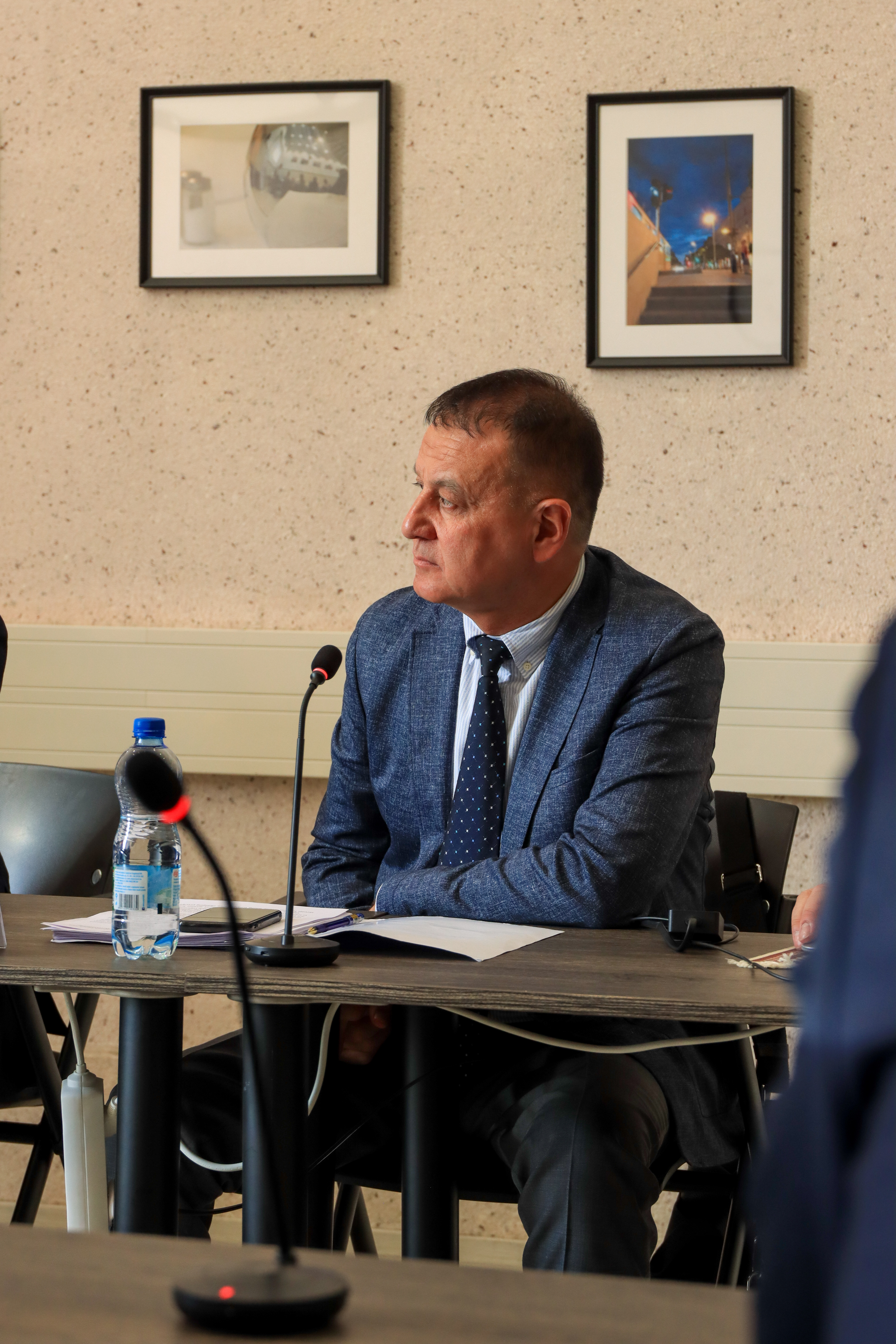
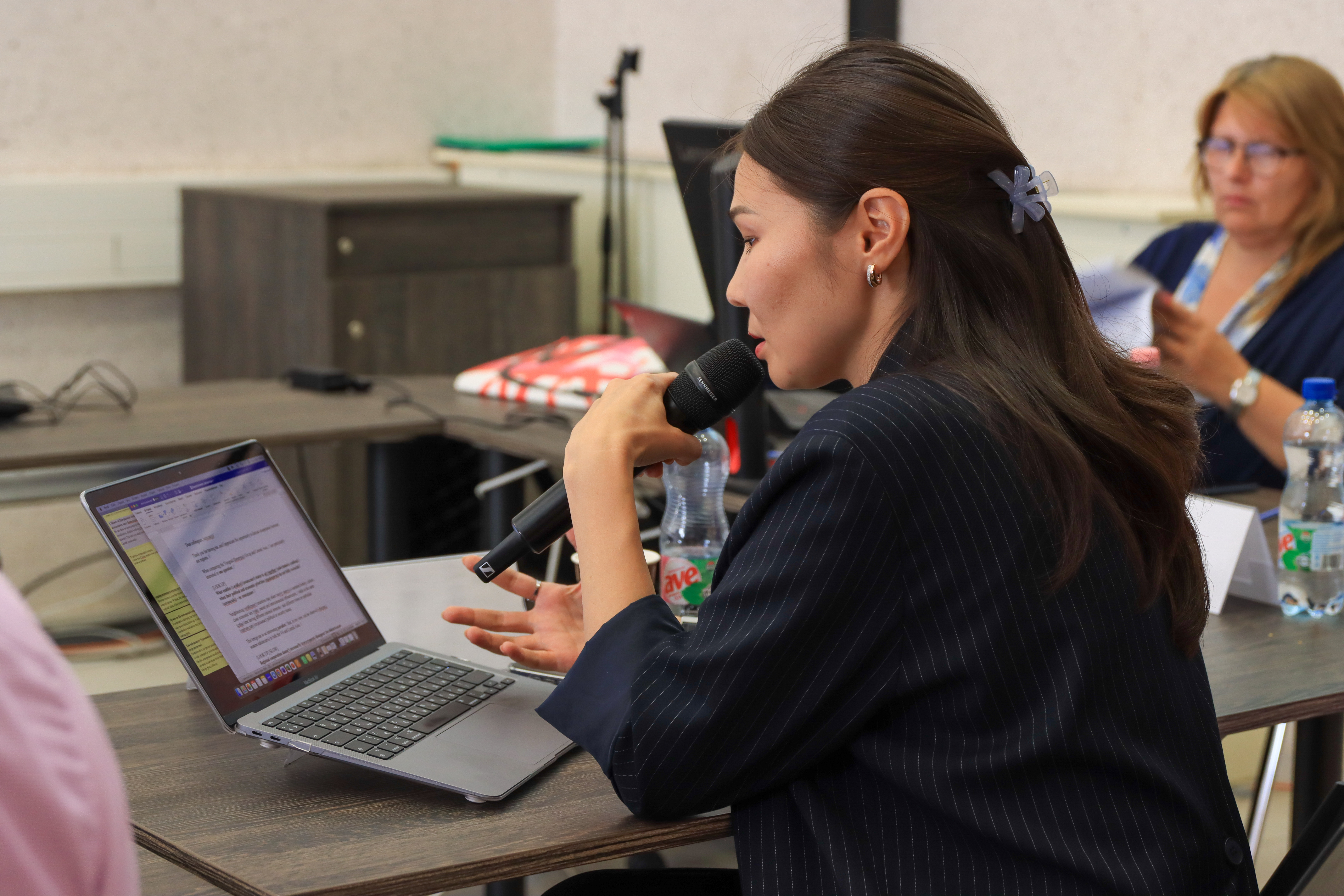
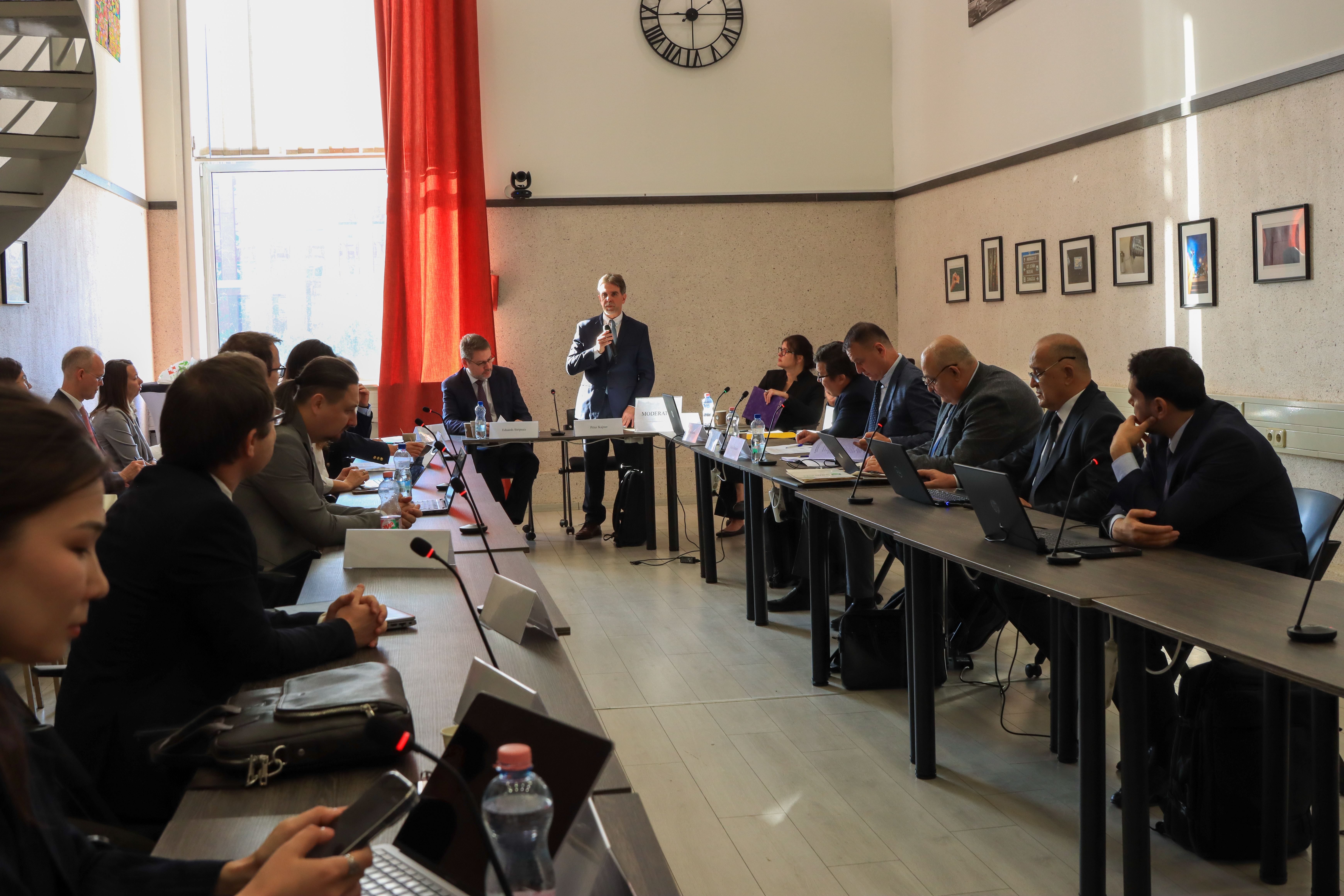
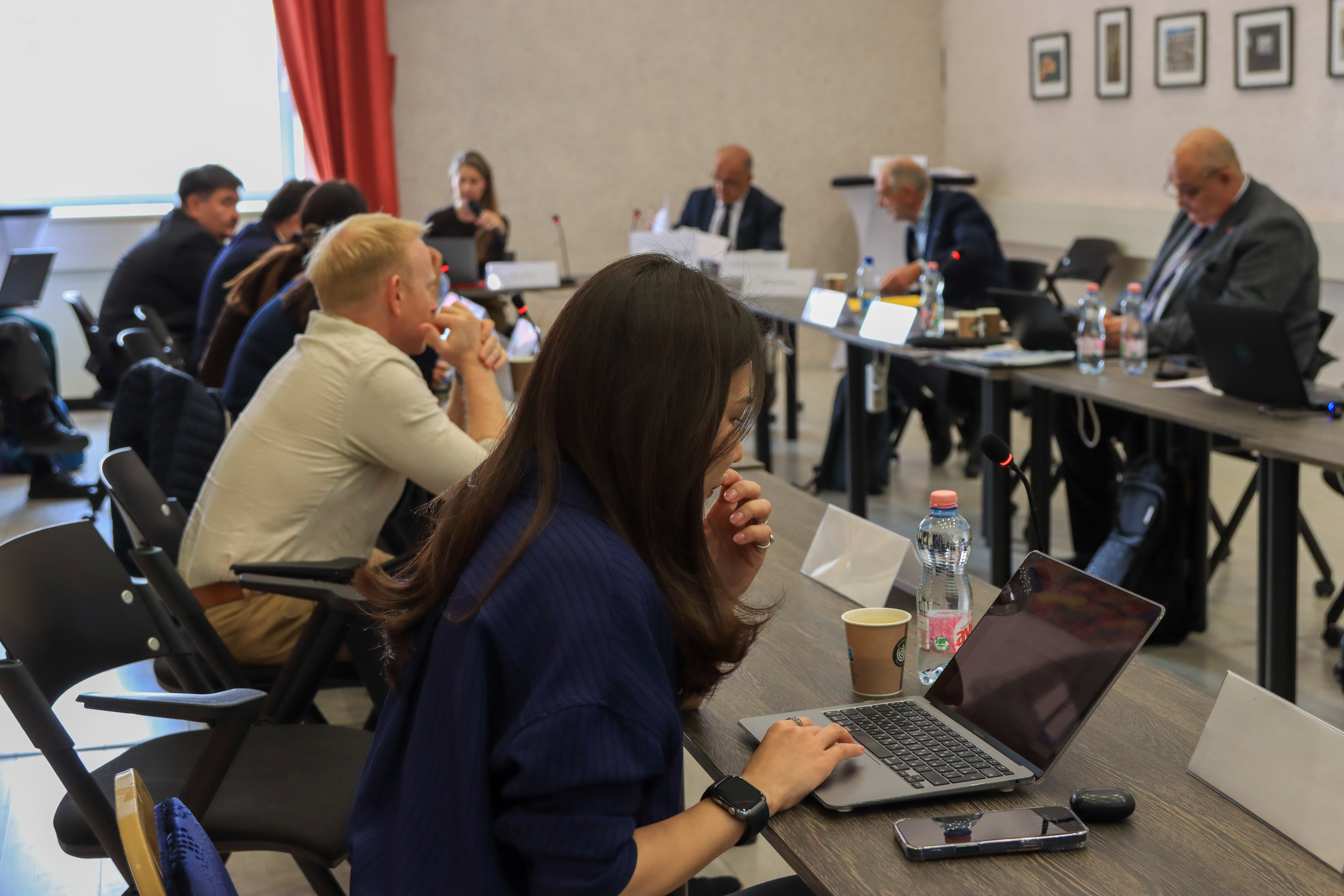
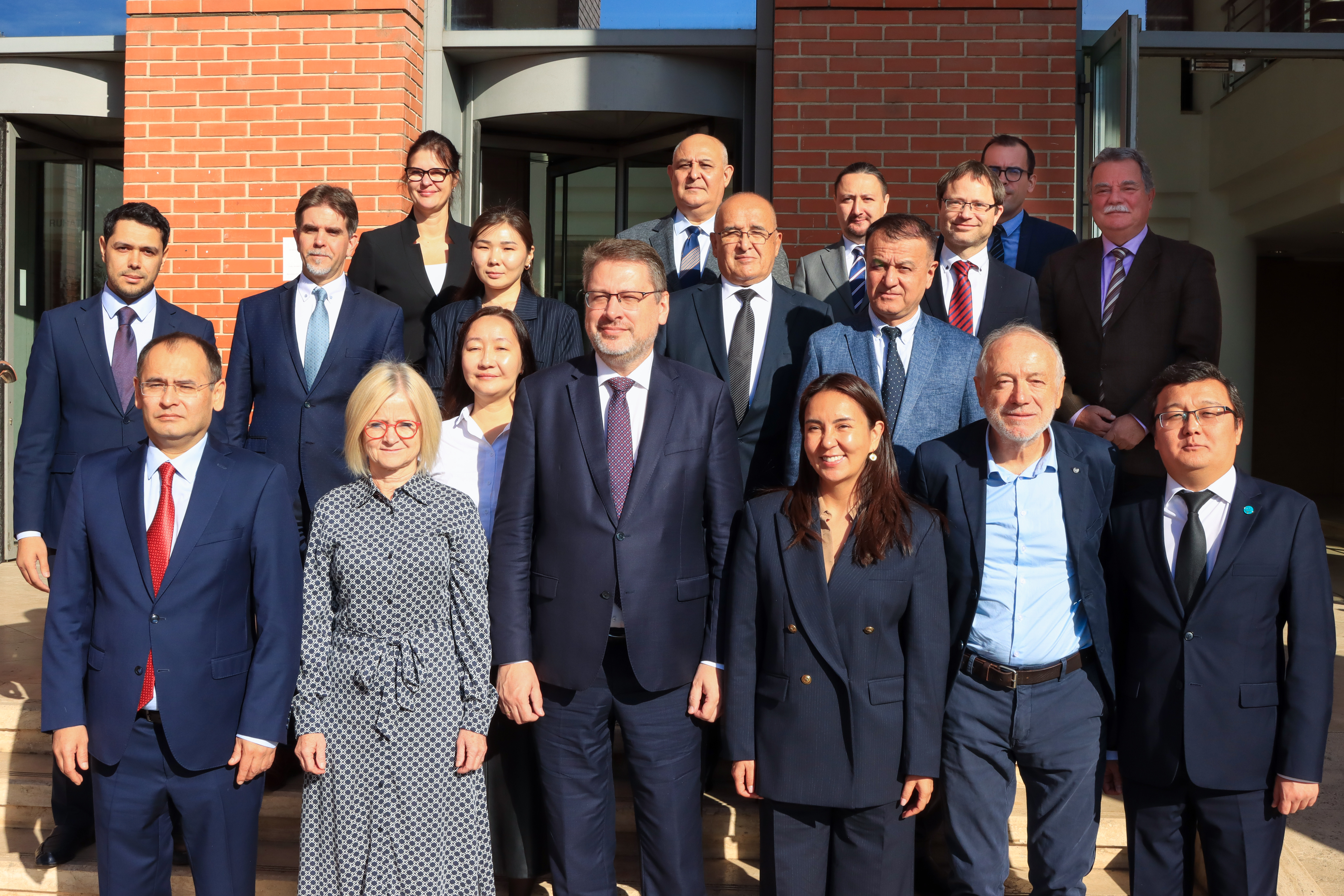
On October 7–8, 2026, ELTE’s Lágymányos Campus hosted an international workshop aimed at strengthening cooperation between Europe and Central Asia amid the climate crisis and a rapidly changing global political landscape.
The event, titled Strengthening EU–Central Asia Cooperation in the Age of Climate Crisis and Wrecking-ball Politics, was jointly organized by Eötvös Loránd University’s Faculty of Social Sciences and the Center for Central Asia Research at Corvinus University of Budapest.
Over the course of the two-day workshop, senior diplomats, political and academic leaders, researchers, as well as climate and water management experts explored the economic, political, and social challenges posed by water scarcity. They also examined potential new avenues for cooperation between the European Union and Central Asia. The workshop also concluded a year-long process to develop the Erasmus Mundus Joint Master Program in Water Governance and Water Diplomacy, a Hungarian–Swedish–Finnish–Kazakh–Uzbek project.
A Shared Commitment to Cooperation
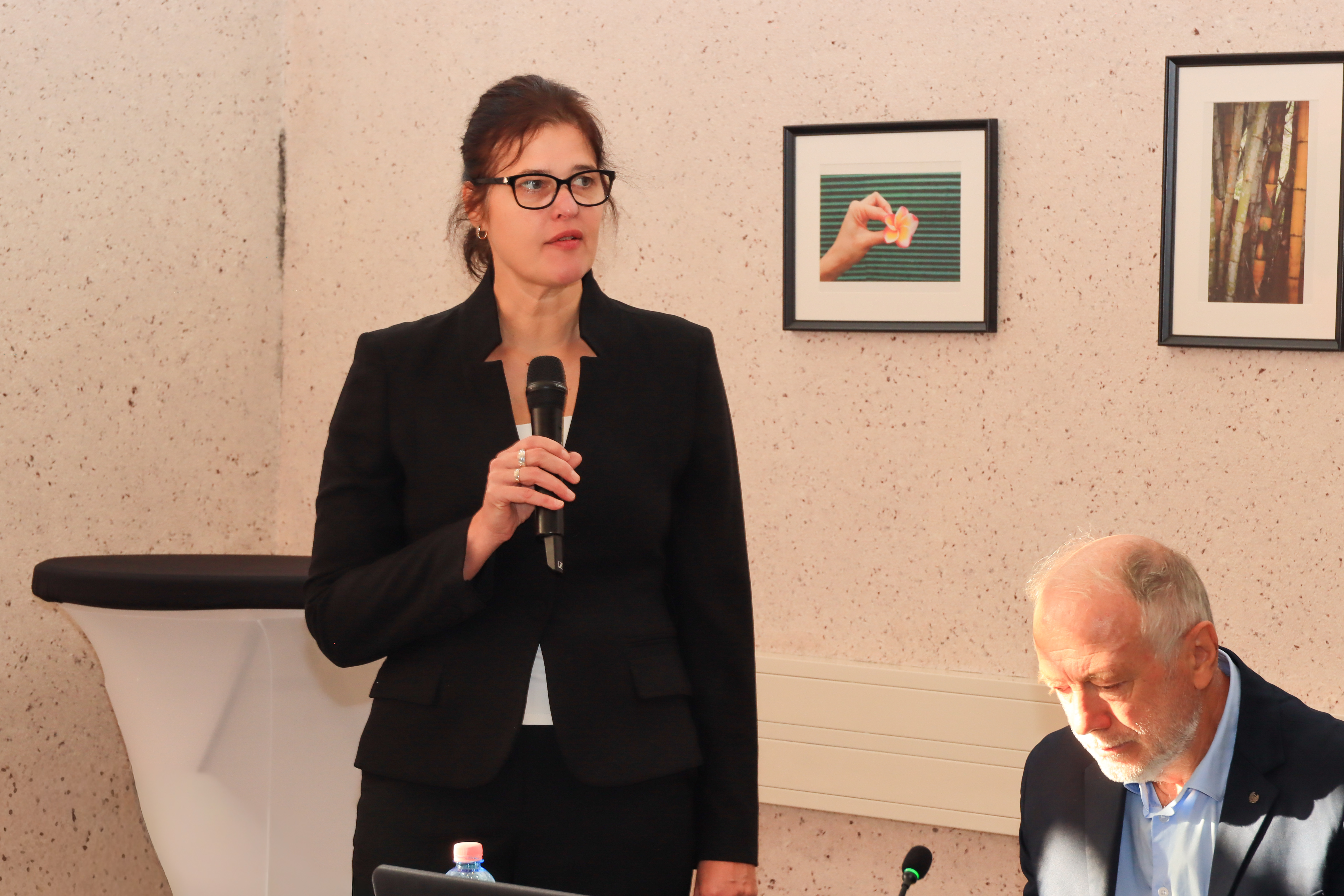
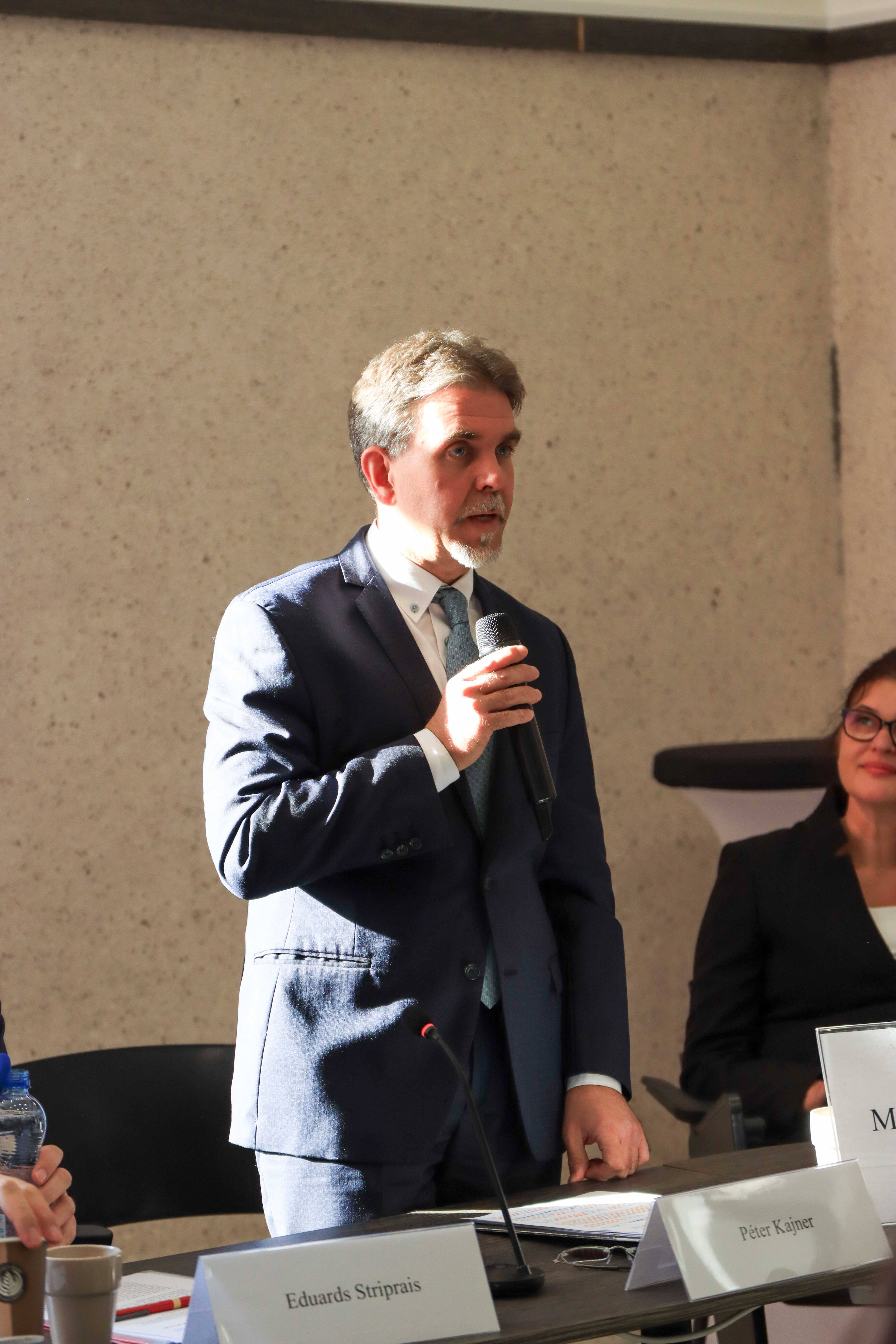
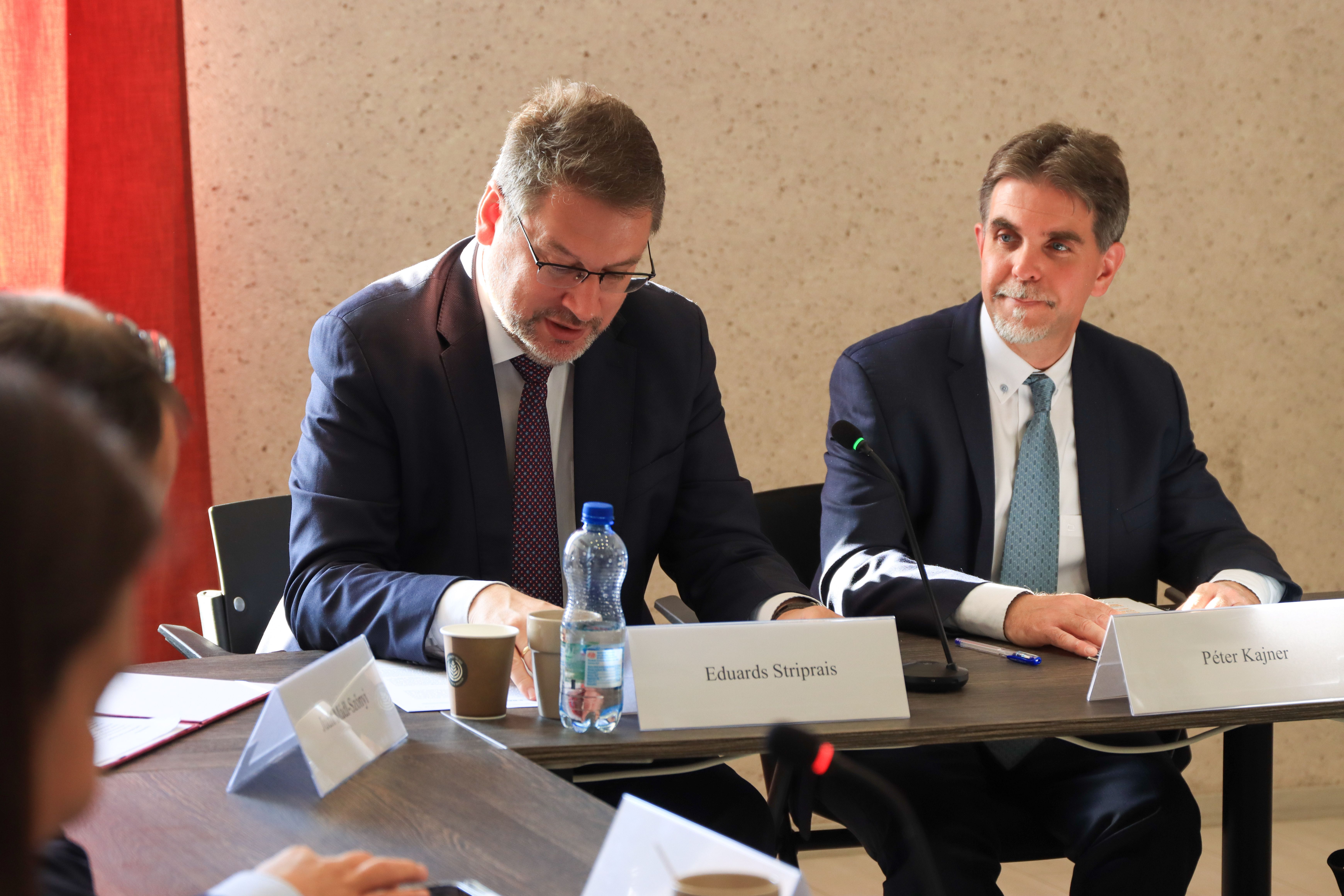
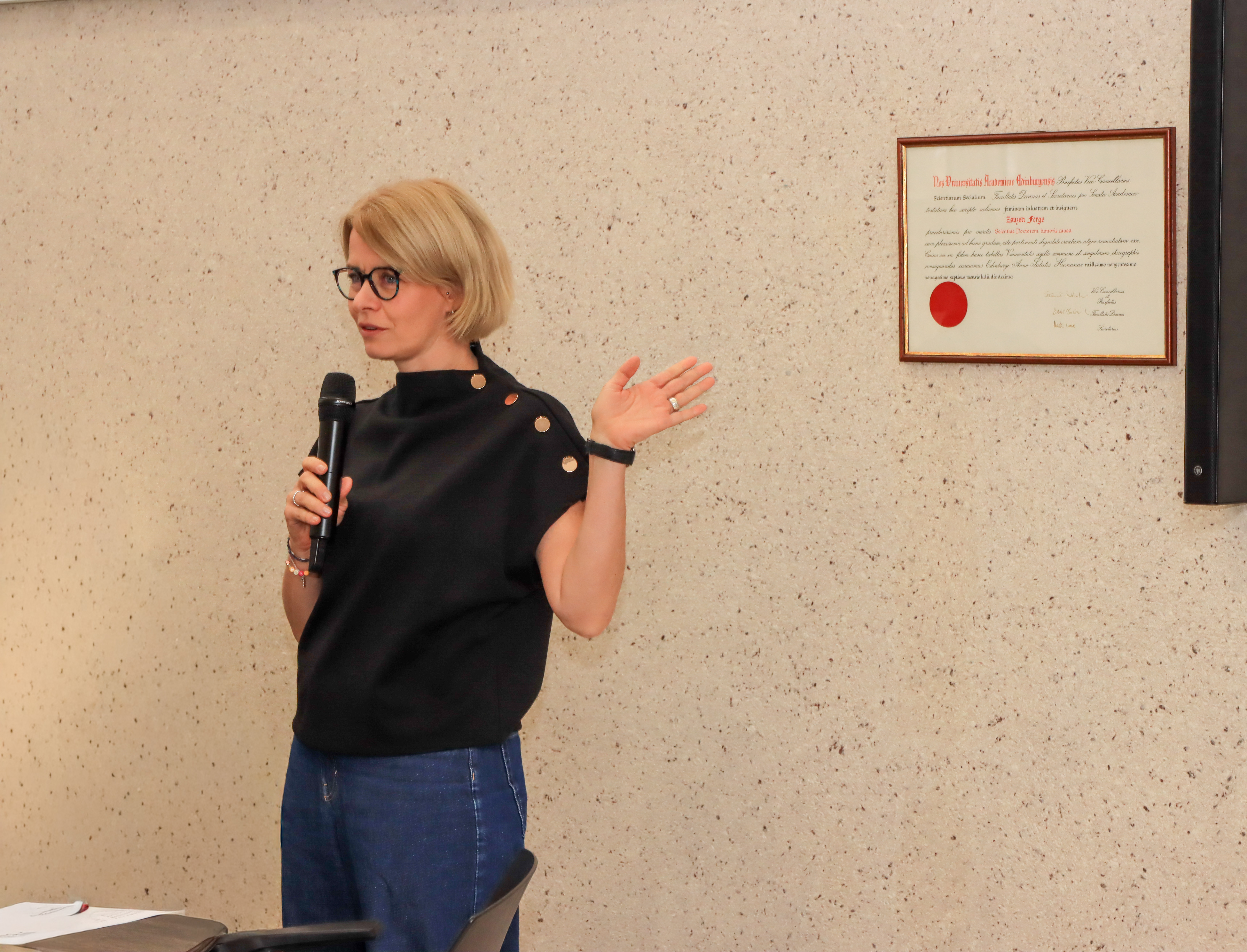
Participants were welcomed by Veronika Szabari, Deputy Dean for General and Scientific Affairs at the Faculty of Social Sciences of Eötvös Loránd University. She welcomed the opportunity for the Faculty to host international dialogue and collaboration. Péter Kajner, Deputy State Secretary for Climate Policy at Hungary’s Ministry of the Living Environment, opened his remarks by reviewing the extreme heat and drought experienced in Hungary during the summer. He highlighted the particular vulnerability of downstream countries, while emphasizing that resilience to water-related challenges can be strengthened through effective monitoring systems and data-driven policymaking. According to Péter Kajner, European and Central Asian experts have much to learn from one another. “When everything seems to be falling apart, cooperation can be a stabilizing force,” he added.
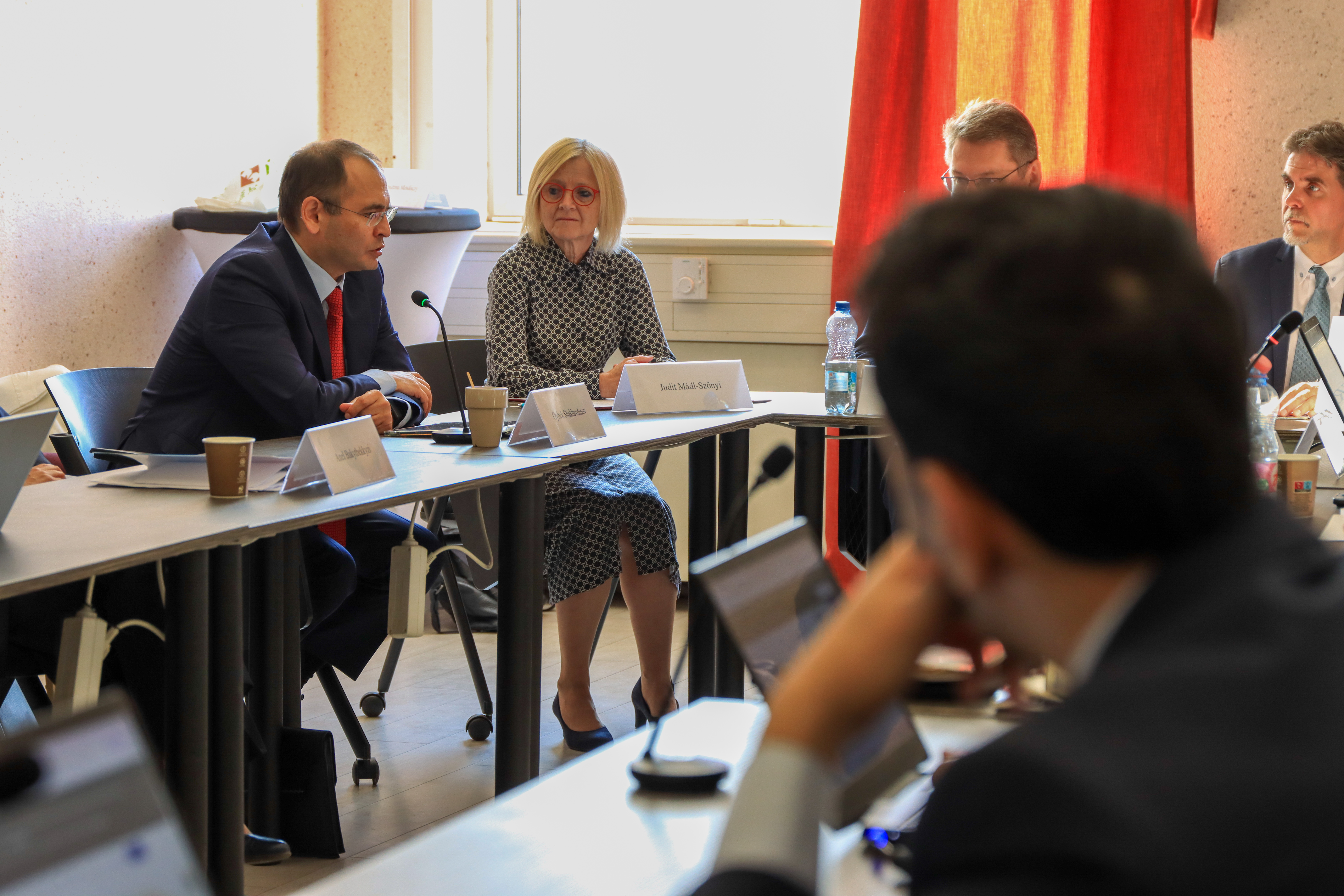
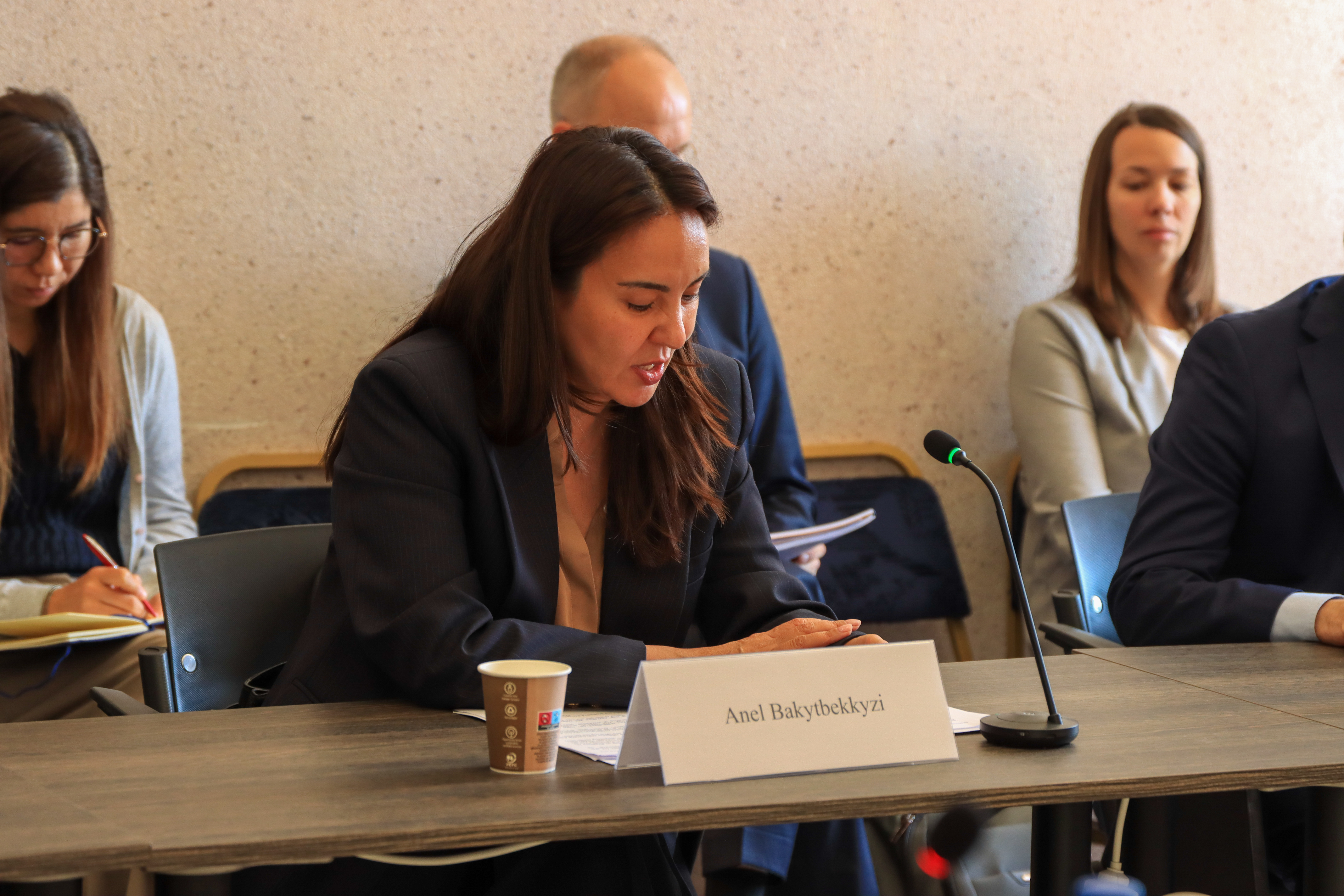
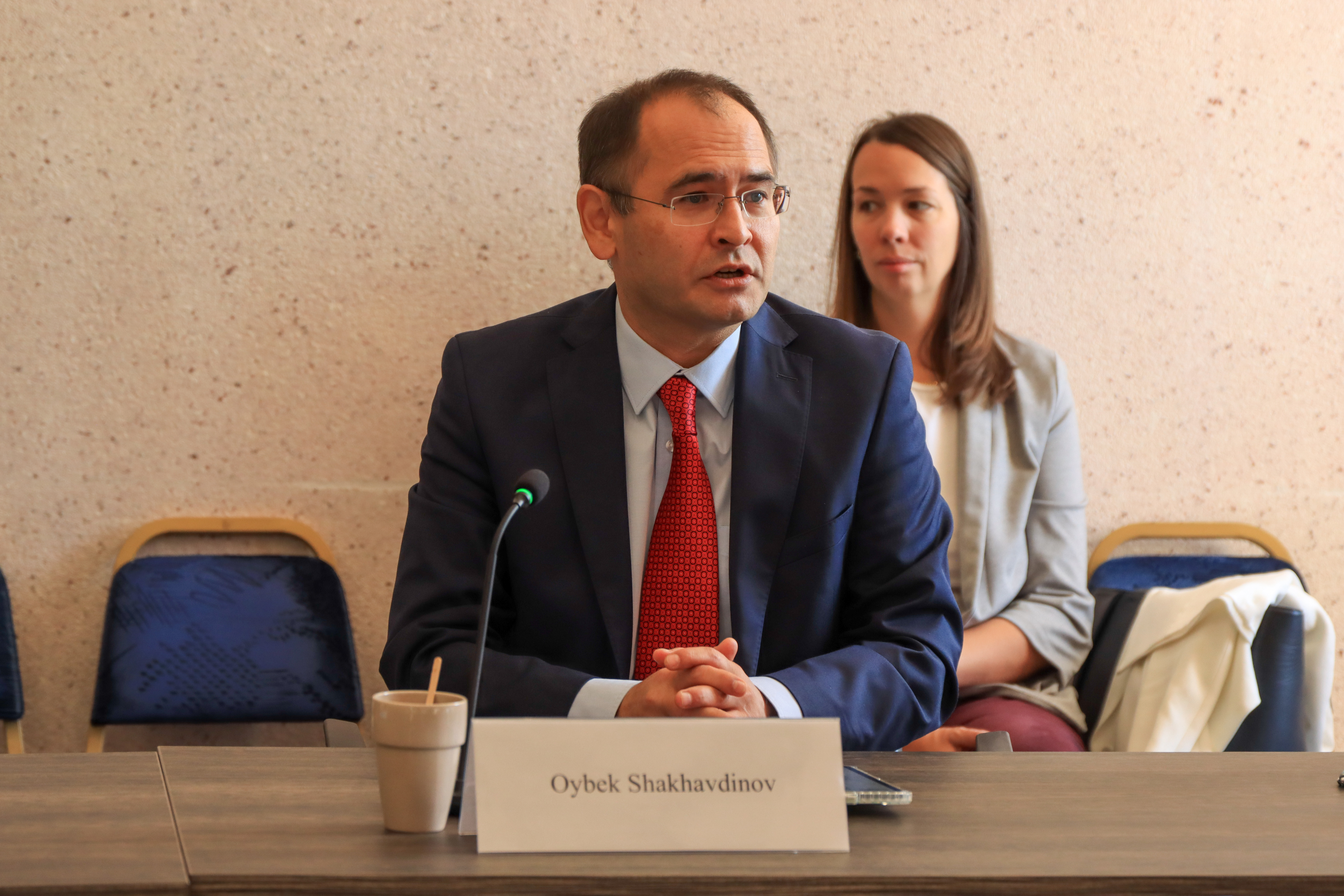
Anel Bakytbekkyzy, Ambassador of Kazakhstan to Hungary, also stressed that the time had come to focus on solutions. Addressing the consequences of unsustainable lifestyles requires practical measures rooted in scientific evidence, she said. She highlighted the achievements of Kazakh research institutes and professional organizations, as well as the importance of regional cooperation within Central Asia. A pragmatic approach and the effective use of digital technologies would also be essential, she added. Aybek Shakhavdinov, Ambassador of Uzbekistan to Hungary, highlighted the growing pressure on the country’s water resources, driven by the needs of raw-material processing and a rapidly expanding population. The Ambassador welcomed the strengthening of relations between Europe and Central Asia and emphasized Hungary’s role as a partner. He pointed to Hungary’s nuclear energy expertise as a valuable source of knowledge for Uzbekistan and, quoting the Uzbek president, underscored the country’s current focus on education.
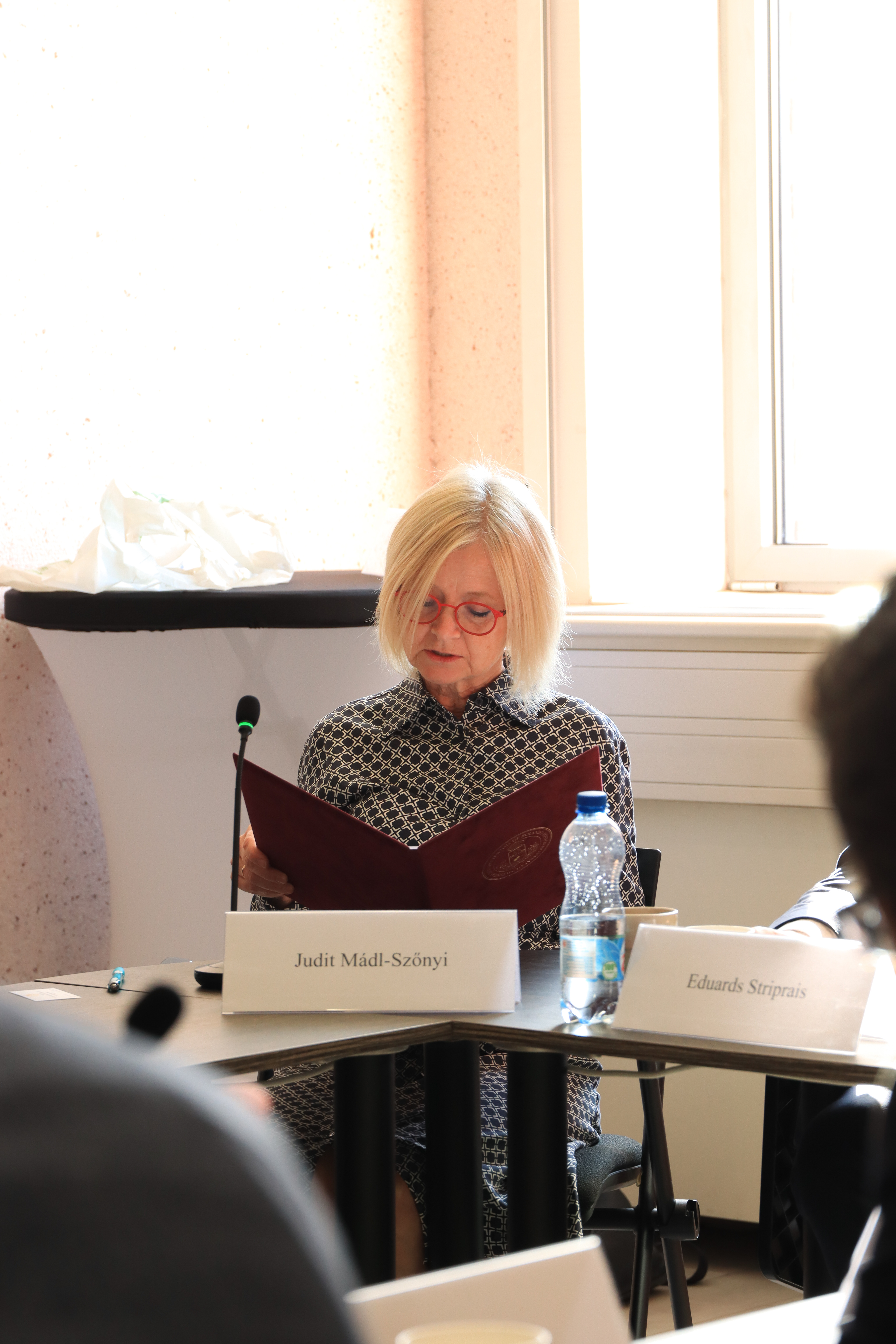
Eduards Stiprais, the European Union Special Representative for Central Asia, warned that isolation was an illusion: no country could address the worsening water crisis on its own. More efficient water use, he argued, requires countries to confront not only environmental challenges but also political ones, including destructive policies that harm the natural environment. “We are not powerless, however, because challenges can also serve as catalysts for change,” he said. Judit Mádl-Szőnyi, Vice-Rector for General Affairs at Eötvös Loránd University and Professor of Geology, highlighted the strategic importance of groundwater resources. She also referred to the outcomes of an international groundwater congress held in Budapest several weeks earlier, which brought together participants from approximately 70 countries. By presenting ELTE’s Sustainability Flagship Program, the Vice-Rector demonstrated the University’s strong commitment to sustainability in both research and education. She also described interdisciplinary international educational partnerships, including CHARM-EU and Erasmus Mundus, as integral to these efforts.
The Scale of the Water Crisis
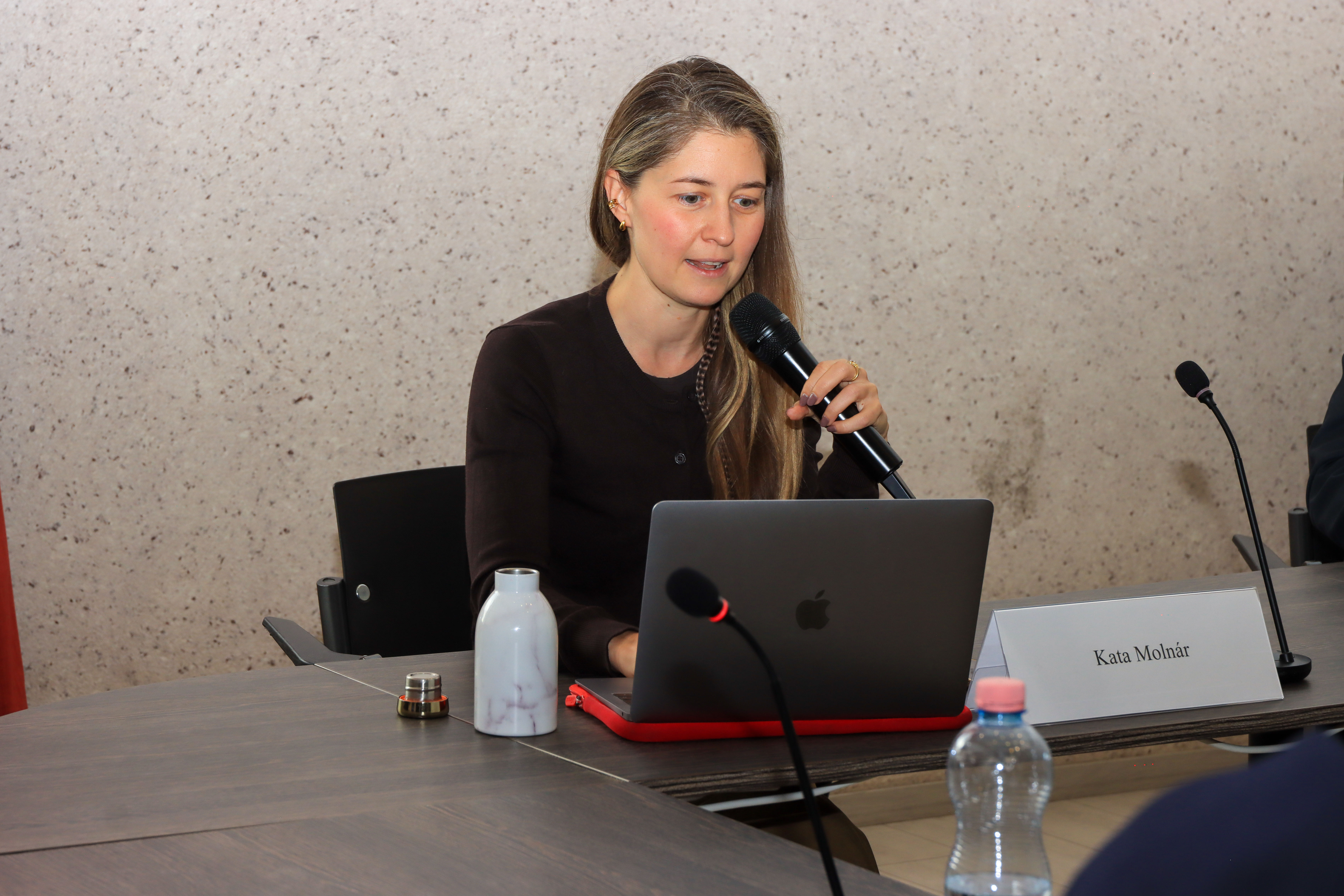
Humanity will face severe challenges in the coming decades. On this point, the workshop participants were in broad agreement. As Kata Molnár, founder of the WaterLab social innovation platform, noted, extreme weather does more than cause physical damage to agricultural producers. Its effects are also reflected in food prices, inflation, and GDP, while generating far-reaching social consequences. In her presentation, Ágnes Lux, a children’s rights expert at ELTE’s Faculty of Social Sciences, highlighted the impact of environmental damage on future generations. She warned that the climate crisis poses an even greater threat to children’s health in communities without adequate access to clean drinking water, sanitation, and wastewater services—the core areas covered by WASH (Water, Sanitation and Hygiene).
Evolutionary biologist Eörs Szathmáry of ELTE’s Faculty of Science warned that humanity’s consumption is approaching the equivalent of two Earths, placing it on an unsustainable path. Meanwhile, freshwater resources are shrinking, biodiversity is declining rapidly, and a growing number of species are under threat. The Hungarian Academy of Sciences member emphasized the importance of climate tipping points. Once the Greenland ice sheet begins melting beyond a critical threshold, he explained, even meeting previously established climate targets may no longer be enough to stop the process. While such developments may not eradicate the human species, they could destroy technologically advanced societies as we know them today.
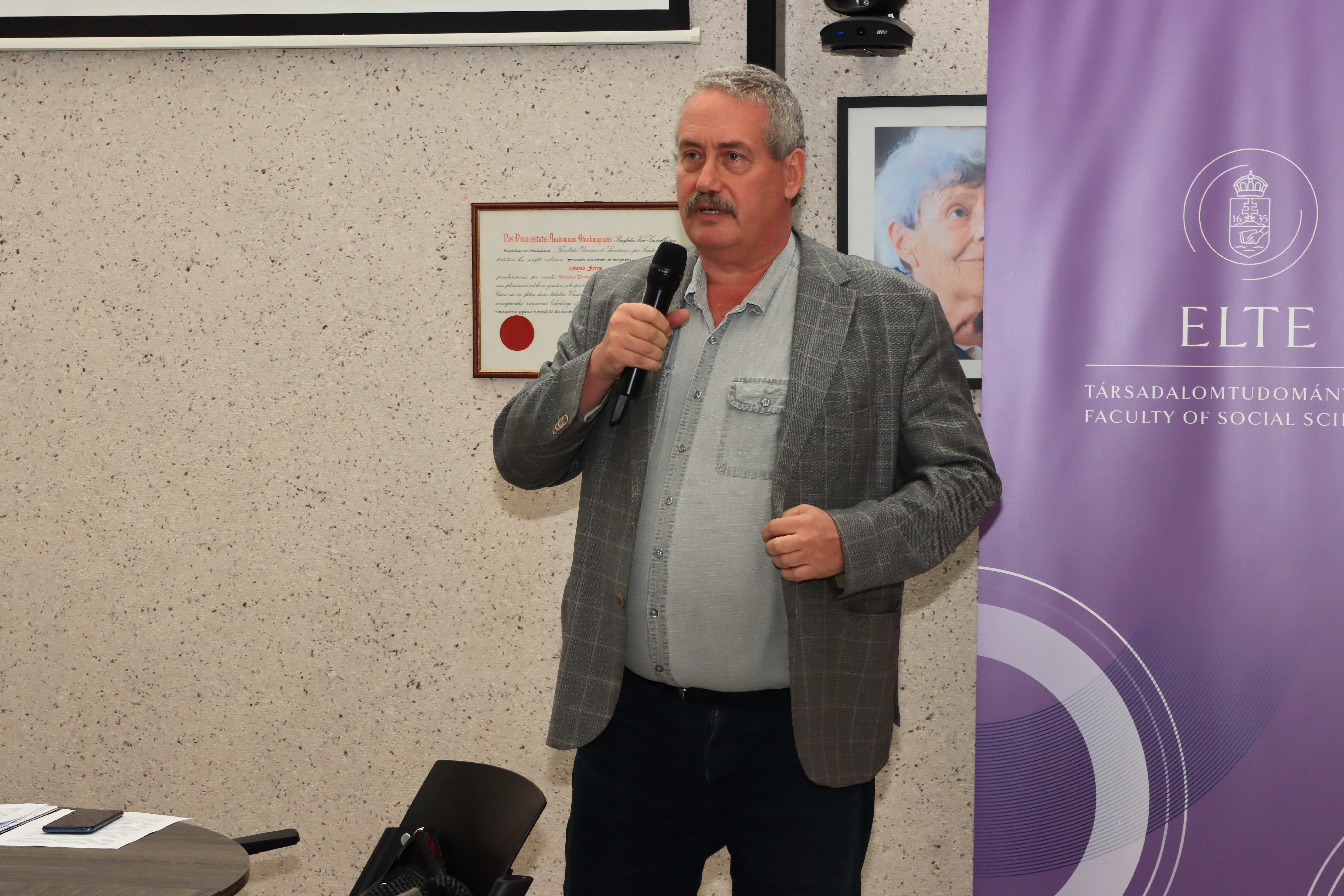
Dauren Aben, Deputy Director of the Kazakhstan Institute of Strategic Studies, argued that public communication should not focus simply on global temperatures increasing by several degrees. The more tangible message, he said, is that there will be no water. Geophysicist Gábor Timár of ELTE’s Faculty of Science placed this warning in a Hungarian context. The drying up of the Aral Sea does not mean that Hungary will necessarily develop a Central Asian climate, he explained. Rather, it shows what can happen to Hungarian lakes, including Lake Velence, if climate change progresses faster than water management systems can adapt to a negative water balance. Márton Krasznai, Scientific Director of the Center for Central Asia Research at Corvinus University of Budapest, noted that many regions were no longer experiencing temporary water shortages, or water stress, but permanent scarcity, that could be described as “water bankruptcy.” This was no longer a temporary crisis, he said, but rather a new normal. At the same time, he suggested there was still reason for hope, quoting Samuel Johnson: “When a man knows he is to be hanged in a fortnight, it concentrates his mind wonderfully.” In other words, countries will ultimately be compelled to take focused action.
Strengthening Partnerships
According to Eörs Szathmáry, Europe’s current strengths include its well-developed institutions, the availability of data, and access to targeted funding. Central Asia, by contrast, has extensive experience in community-based irrigation systems, drought-adapted agricultural practices, and environmental restoration.
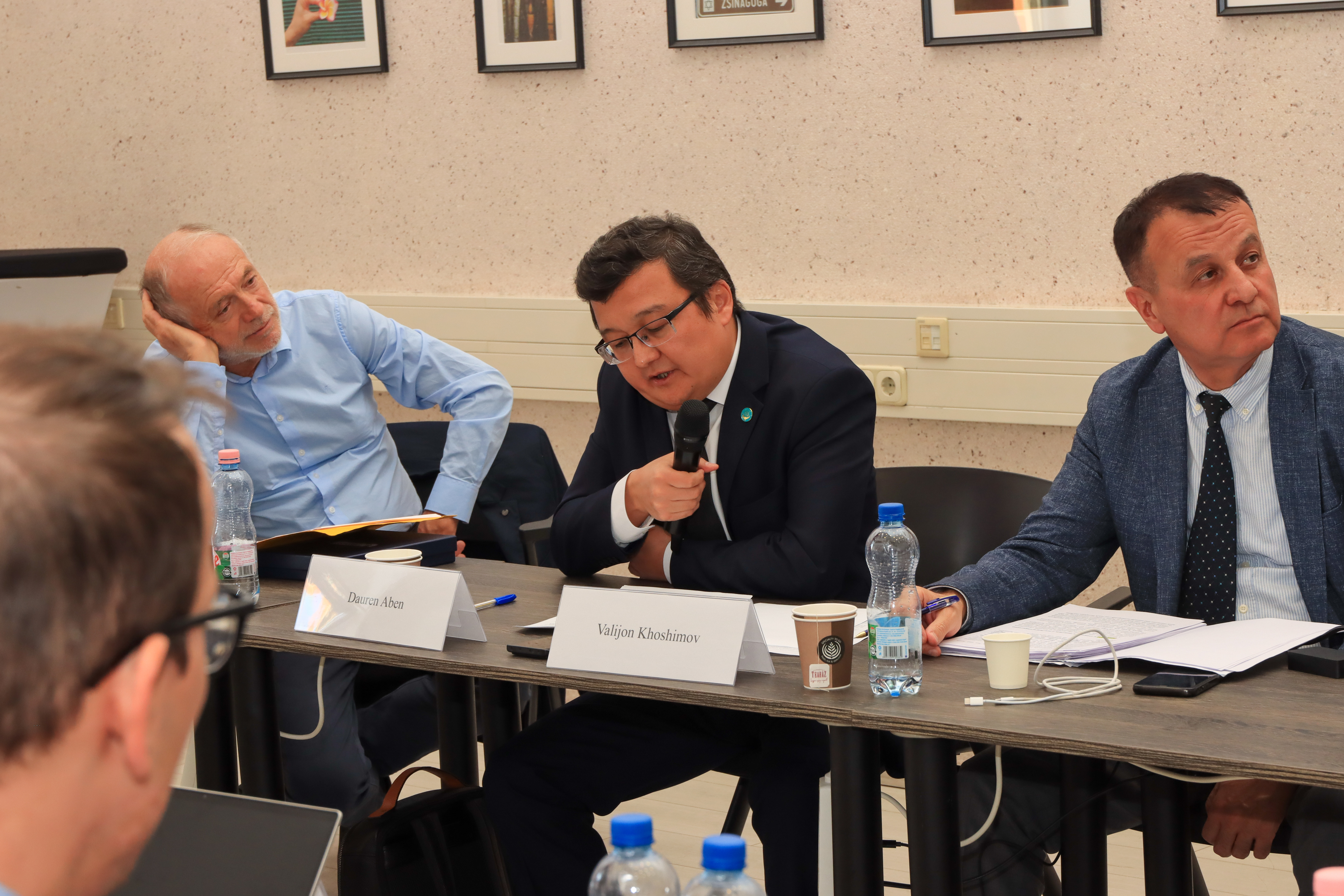
Europe and Central Asia are identifying a growing number of opportunities for cooperation, said Valijon Khoshimov, Deputy Director of the Center for Foreign Policy Studies and International Initiatives under the Ministry of Foreign Affairs of Uzbekistan. His presentation examined the process leading to the first EU–Central Asia Summit in spring 2025 and the signing of the Samarkand Declaration, as well as their historic significance. Aigerim Abdrashitova, Chief Expert at the Department of Political Research of the Kazakhstan Institute of Strategic Studies, reported that expert surveys conducted by KazISS between 2023 and 2026 also indicated growing support for closer cooperation with Europe.
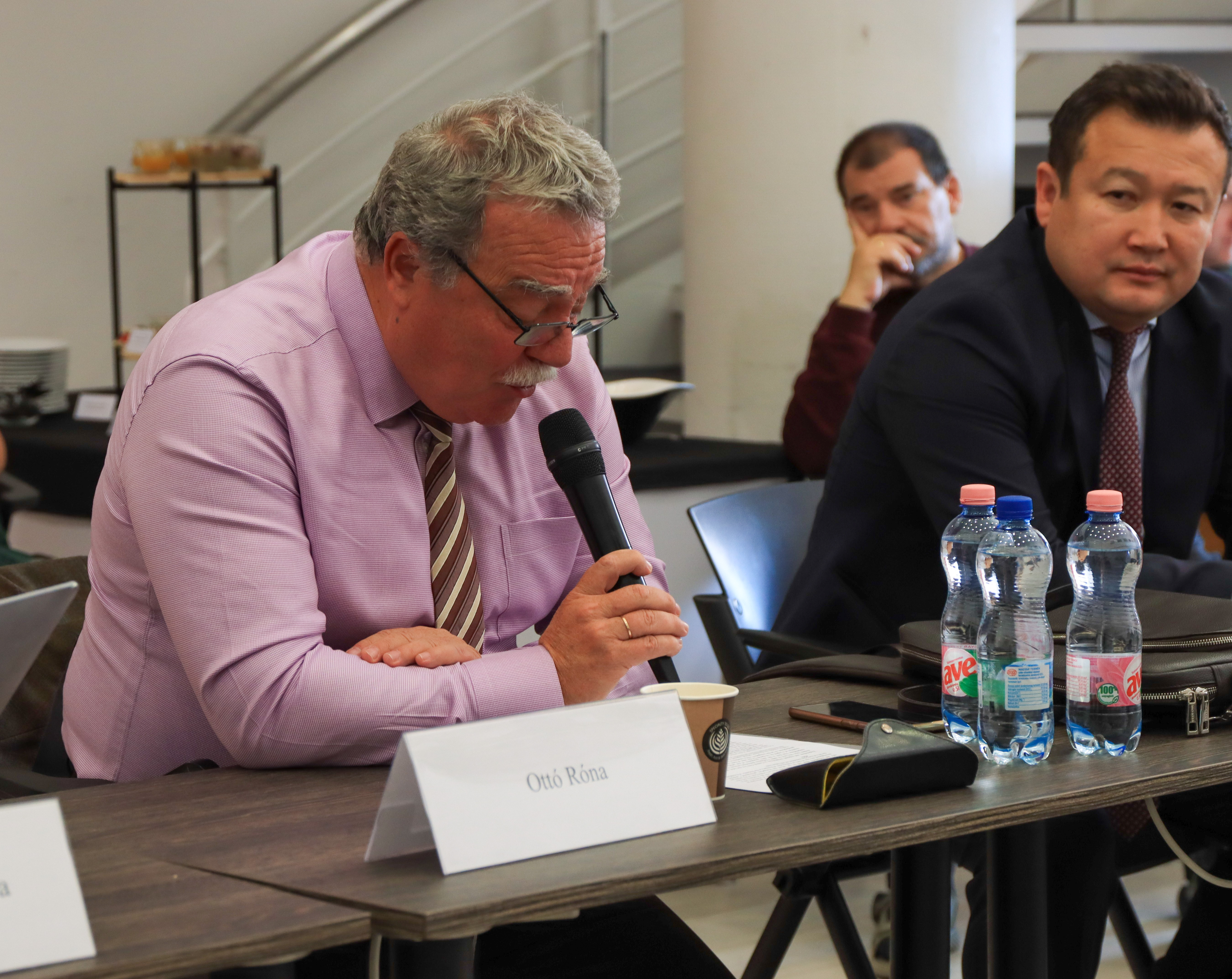
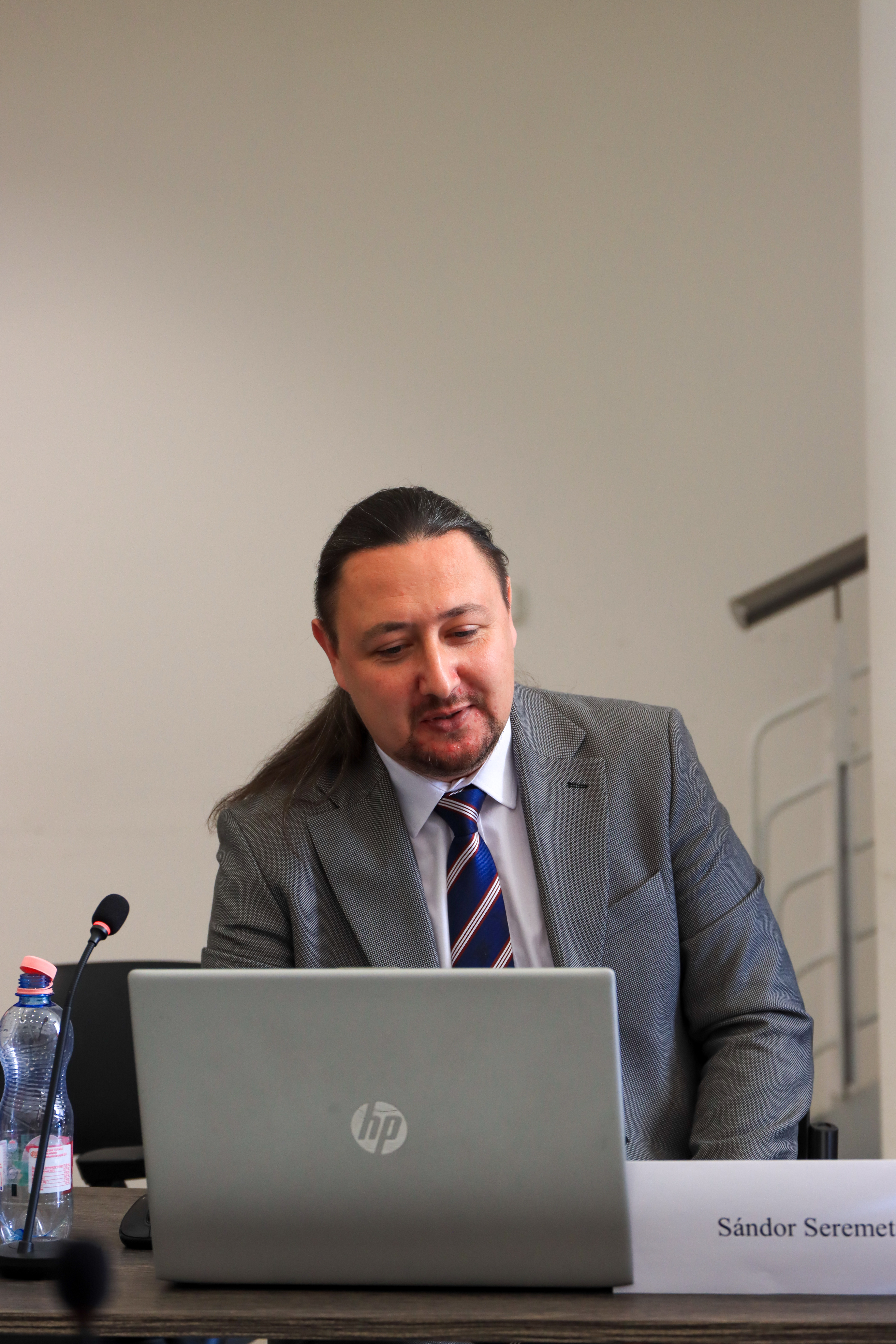
Ottó Róna, former Ambassador of Hungary to Kazakhstan, emphasized that Europe should pursue mutually beneficial agreements with Kazakhstan and Uzbekistan, both of which have become increasingly integrated into the global economy since the 2010s. Sándor Seremet, Senior Research Fellow at the Hungarian Institute of International Affairs, added that Europe risked losing investment opportunities if it imposed conditions on Central Asian countries that they regarded as unrealistic. Because of the region’s geographical location, Central Asian states have several alternative partners available to them, including Russia, China, and Türkiye. Péter Pál Kránitz, Senior Research Fellow at the Hungarian Institute of International Affairs, cited the construction of the Rogun Hydropower Plant in Tajikistan as a successful Central Asian project supported by the European Union.
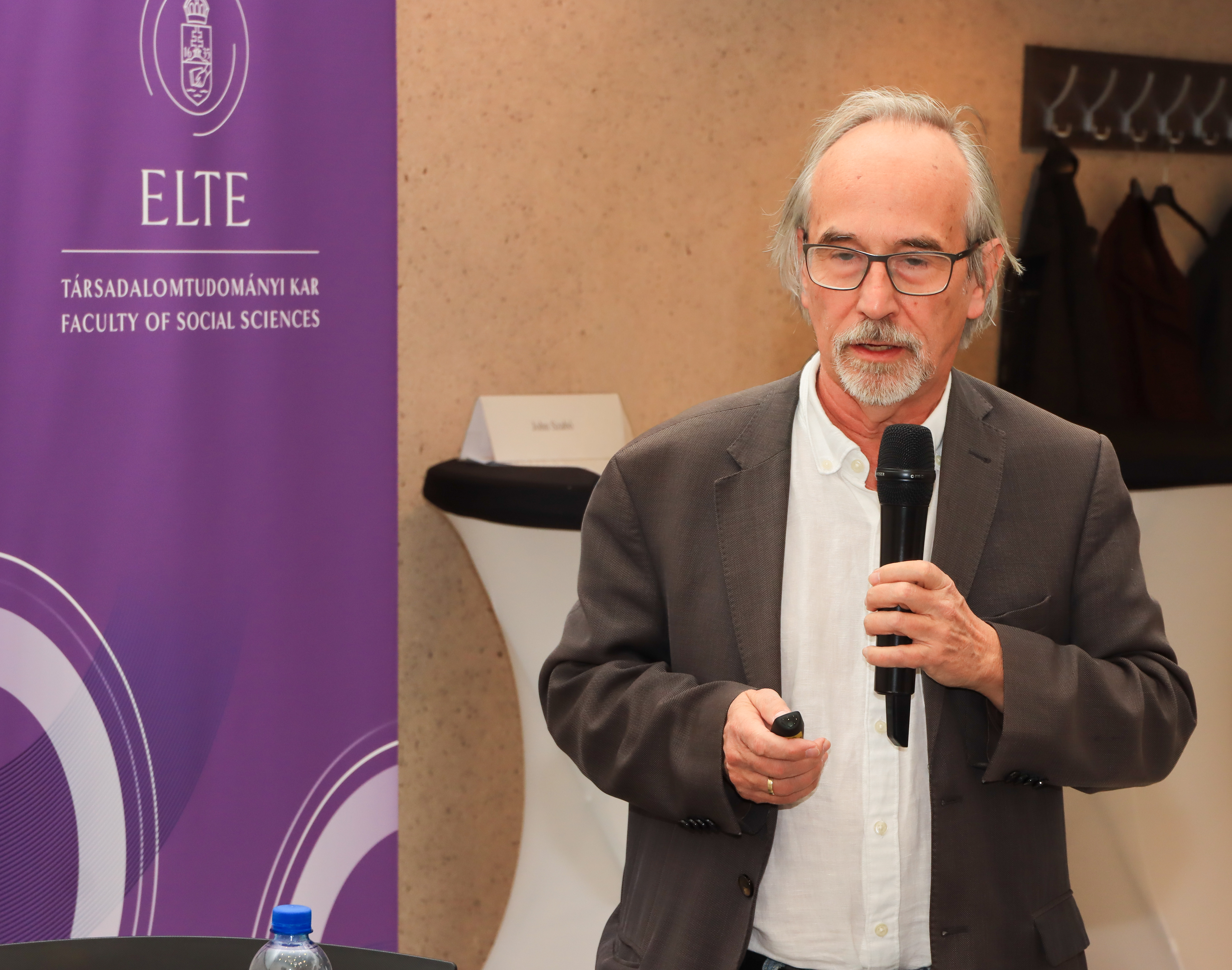
Several speakers highlighted the potential of the Middle Corridor, formally known as the Trans-Caspian International Transport Route. John Szabó, an energy and international relations researcher at ELTE’s Faculty of Social Sciences, struck a more cautious note, arguing that knowledge sharing could provide a more practical basis for cooperation than transporting raw materials over vast distances, given the considerable infrastructure and logistical challenges involved. Closer cooperation within Central Asia will be equally important. Miklós Rosta, Executive Director of the Center for Central Asia Research at Corvinus University of Budapest, called for a shift “from national water management toward network governance,” arguing that formal institutions should be supported by informal practices, which are often more resilient to changing rules. Eörs Szathmáry underscored the role of trust in making such cooperation work: regular contact, shared systems, and clear consequences for breaking agreed rules are all essential, he said, as trust takes years to build but can be lost in an instant.
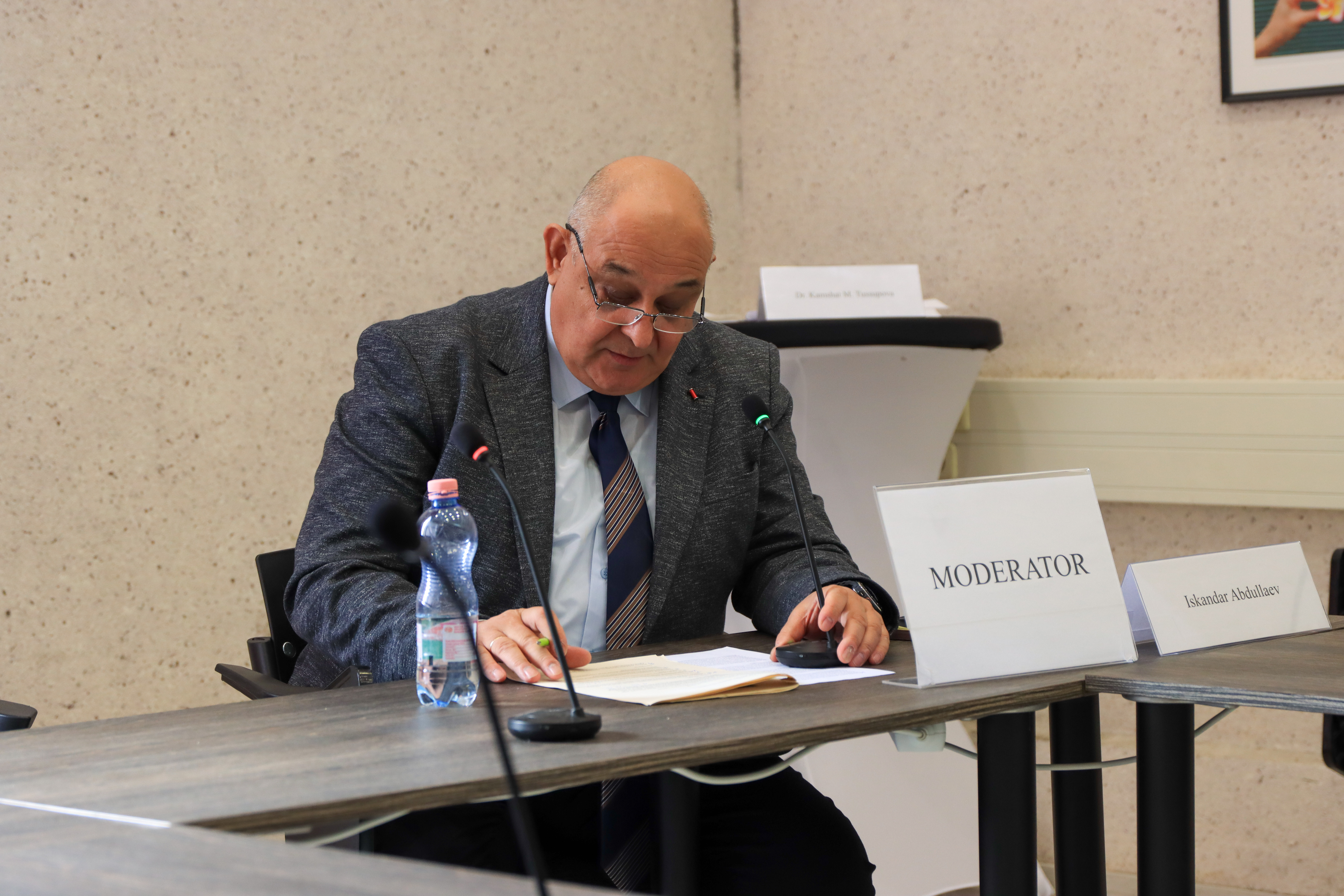
One particularly complex example of the diplomatic challenges facing Central Asia is the Qosh Tepa irrigation canal, which is currently under construction in Afghanistan. The project was discussed by Iskandar Abdullaev, Senior Researcher at the Tashkent Office of the International Water Management Institute.
Reaching an agreement with Afghanistan is especially difficult for countries concerned about the potential water shortages caused by the canal, he explained. The Taliban government is not bound by previously signed agreements and is not formally recognized by most countries.
Turning Knowledge into Action
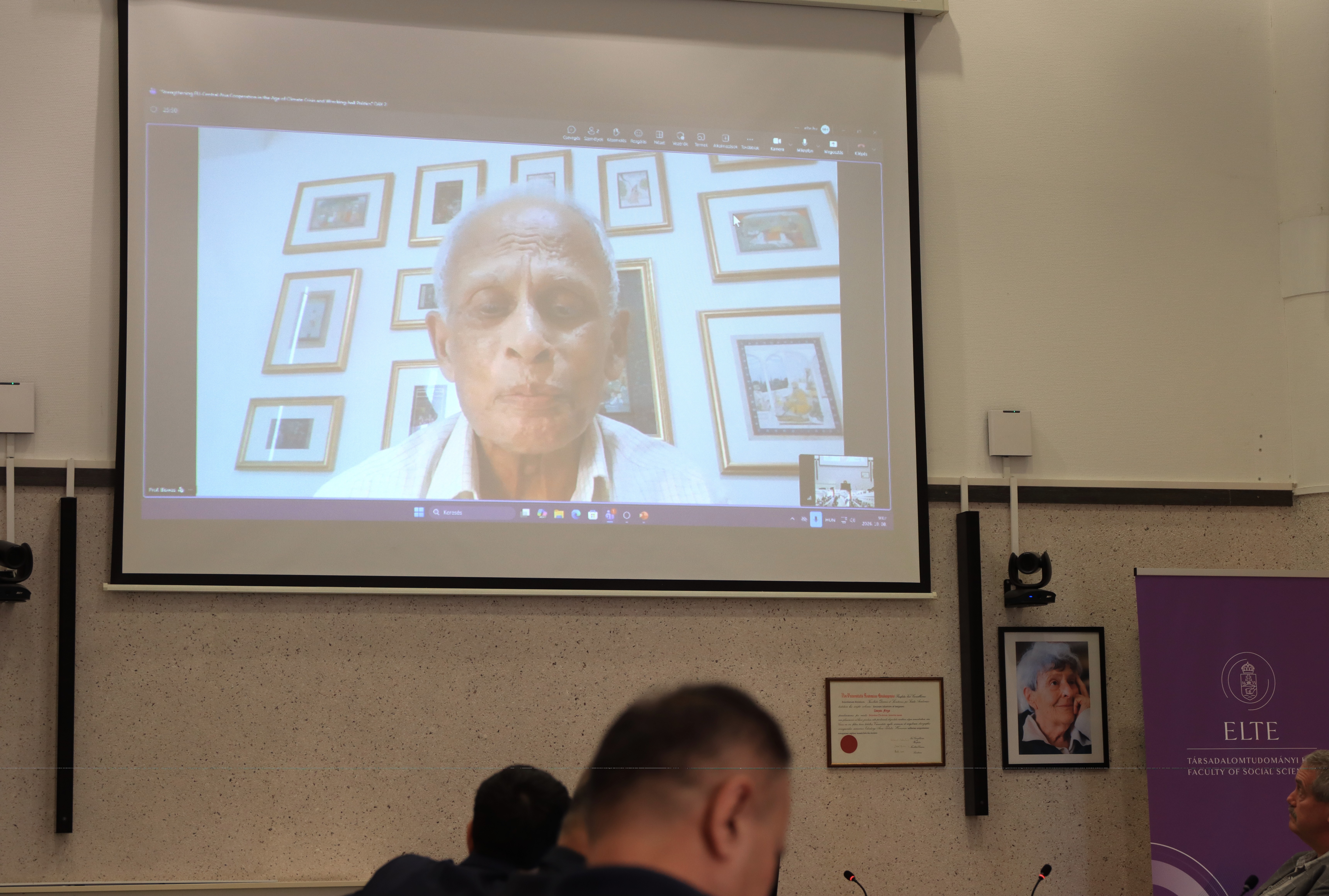
In an online address, Professor Asit K. Biswas, founder of the Third World Centre for Water Management, urged participants to move beyond academic debate and turn research into action. Rather than spending years producing papers that reach only a limited audience, he called on experts to engage policymakers and the public and put workable ideas into practice. A Distinguished Visiting Professor at Singapore’s Lee Kuan Yew School of Public Policy and a Visiting Professor at the University of Glasgow, Biswas said countries should learn both from those with decades-long water strategies and from those developing solutions tailored to local needs.
“Water management is not nuclear physics,” he said, arguing that the tools for more efficient water use are already well documented. The real challenge is choosing approaches that fit local conditions and can be implemented in practice. He pointed to China’s efforts to clean up severely polluted waters through strict government intervention and to Namibia’s capital, where treated municipal wastewater has been reused as drinking water since the 1960s. The important question, he emphasized, is not how water-scarce a country appears according to long-outdated indicators, but whether it can enable its population, agriculture, and industry to use water more efficiently.
Governments, however, are not always capable of identifying effective solutions. In his opening presentation, Márton Krasznai argued that neoliberal policies had made Europe’s water sector inherently vulnerable. The privatization of water services under Margaret Thatcher’s government in the 1980s, for example, had contributed to a situation in which sewage is now regularly discharged into rivers, lakes, and coastal waters. A central message of Kata Molnár’s presentation was that water diplomats and political decision-makers are not the only actors with the power to determine who gains access to water and at what price. Banks, for example, still provide far more funding for environmentally harmful activities than for sustainable projects, she said. It would therefore be beneficial to involve the financial, industrial, scientific, and civil society sectors in negotiations, rather than limiting discussions to government representatives.
Preparing Tomorrow’s Water Experts
Equipping the next generation with a broader perspective will be crucial to addressing the water sector’s growing challenges. Developed with support from the Erasmus Mundus Design Measures program, the Joint Master Program in Water Governance and Water Diplomacy brings together universities from Hungary, Sweden, Finland, Kazakhstan, and Uzbekistan. By combining engineering and natural sciences with insights from the social sciences, the program aims to prepare graduates to work effectively in multidisciplinary teams and develop more comprehensive responses to complex water-related challenges.
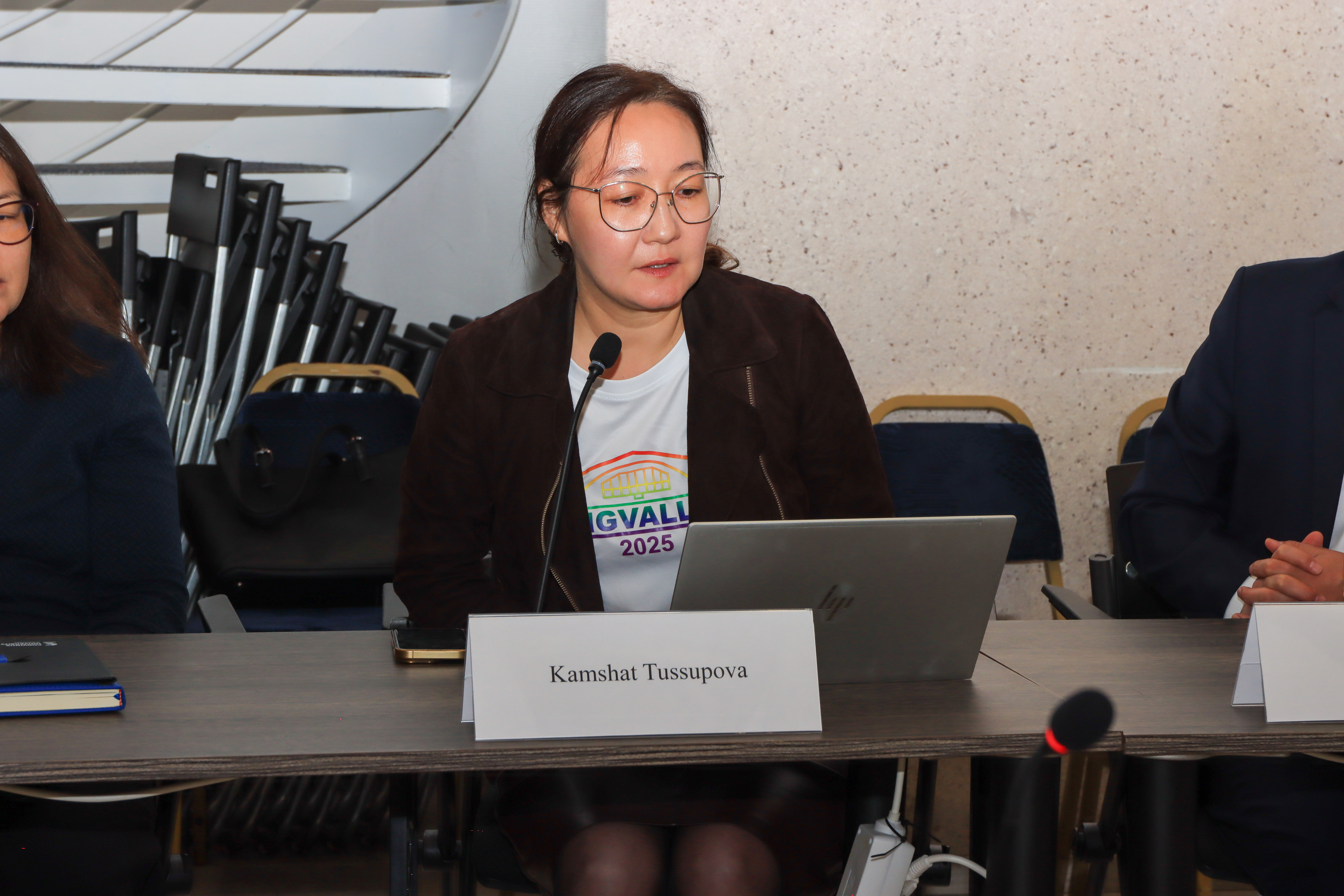
At the Budapest workshop, Abdulhakim Salokhiddinov, Vice-Rector of the Tashkent Institute of Irrigation and Agricultural Mechanization Engineers National Research University, and Elshod Umarov, Dean of the Faculty of Economics and Pedagogy at Nordic International University in Tashkent, discussed the practical steps needed to launch the newly developed program. Growing demand for education in this field was also highlighted by Kamshat M. Tussupova, Rector of the Kazakh National University of Water Management and Irrigation, who presented the results of the double-degree program launched by her university and Corvinus University of Budapest in 2025.
Reflecting on the development process, Márton Krasznai said the water-focused program was also reshaping how Corvinus University of Budapest, traditionally known for its strong business and economics profile, sees its wider role. The initiative, he argued, reinforces a fundamental principle: society should not serve the market; the market should serve society. Sustainability, rather than growth alone, must now take priority. Through the consortium led by Eötvös Loránd University, this message could reach a new generation of students across the European Union and Central Asia.
Photos about the Workshop